 ccfiile.com – Fast Updates & Special Coverage
 ccfiile.com – Fast Updates & Special Coverage
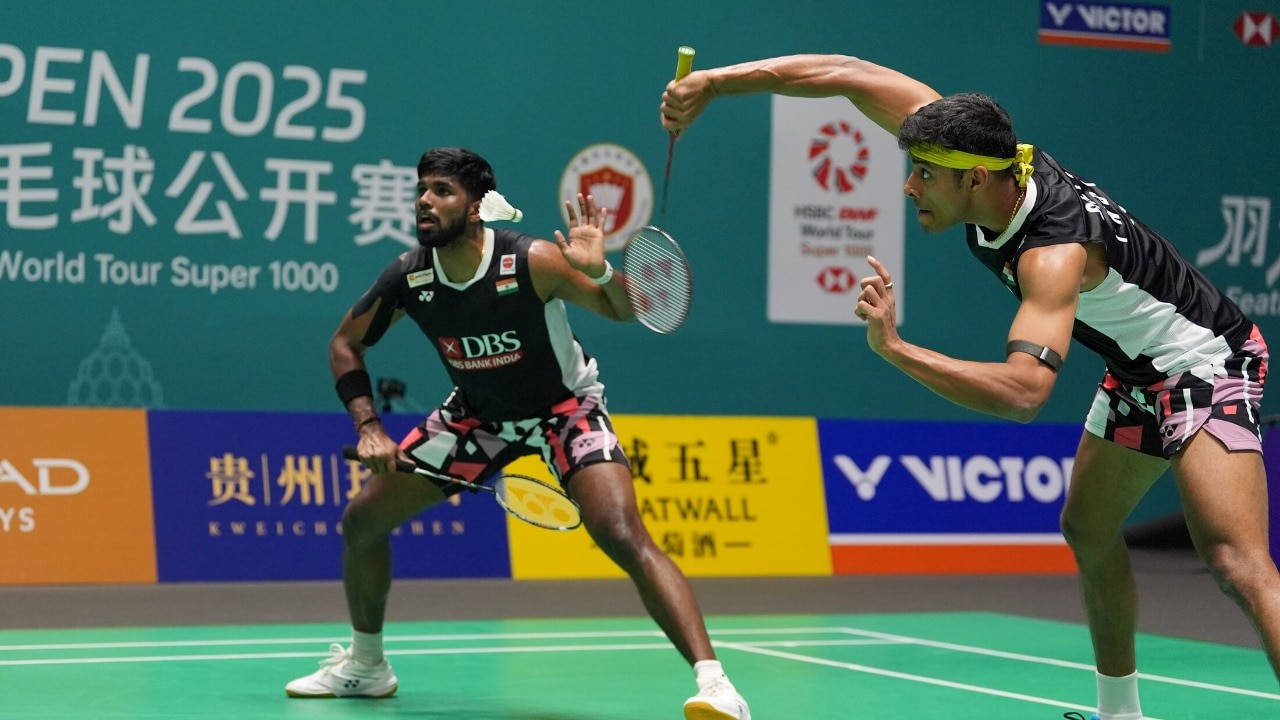

Badminton World Federation (BWF) secretary-general Thomas Lund has clarified the issue of the lack of shuttlecocks across the world. In an interview with news agency PTI, the BWF secretary said that the ongoing shuttlecock shortage has not yet reached a "crisis level."
World badminton is currently going through a shuttlecock crisis. If reports are to be believed, the Pullela Gopichand Academy, one of the biggest facilities for elite players in India, does not have more than two weeks of reserves for its players. The BWF secretary acknowledged the issue and said that the body was trying to find a long-term solution to the problem, keeping the sport's sustainability in mind.
A recent report from French newspaper L'quipe stated that the prices of imported feather shuttles have more than doubled in the past year due to a raw material crunch in China. In an interview with India Today, Badminton Association of India's Sanjay Mishra explained that the crunch has happened due to the change in eating habits in China.
“Goose feathers are what the best shuttles are made of,” Mishra, the BAI secretary, explained to the masthead. “Yonex is based in Japan, but their entire shuttle manufacturing happens in China. And people in China have reduced eating goose and duck — that’s why the manufacturers are not getting any feathers.”
It takes 16 feathers to make a single shuttlecock, and the issue is compounded by the fact that they wear out quickly. A standard singles match might use up nearly two dozen shuttles.
The BWF secretary confirmed that the world body was in talks with manufacturers to experiment with synthetic material. However, he attested that the lack of natural shuttles had not reached a crisis level yet.
"And while we are naturally concerned by this barrier, in our dialogue with the large-scale manufacturers and their assessment of the situation, we don't believe this is at a crisis level yet," he explained.
"The Badminton World Federation (BWF) is 100 percent committed to investing in and developing synthetic shuttlecocks for the future sustainability of the sport and to ensure long-term accessibility for continued generations of players. We have been committed to this project for over the last 10 years," Lund added.
"...in saying this, BWF is not a shuttlecock manufacturer itself, and therefore the onus must still be on the shuttlecock producers to address these supply chain challenges and to also fast-track more advanced synthetic options," he concluded.
Newer articles
Older articles

 Gavaskar Calls for Kuldeep Yadav's Inclusion in Second Test Amid Bumrah Fitness Concerns
 Oral Cancer: Spot the Signs, Understand the Risks, and Why Early Detection is Key
 Early Warning Signs: 5 Heart Attack Symptoms to Watch Out For a Month in Advance
 Rishabh Pant's Composed Reply Deflates Harry Brook's Sledge in Edgbaston Test: Watch Key Moments
 FIFA Club World Cup 2025: Upsets, Messi Magic, and 2026 World Cup Concerns Emerge From Group Stage
 Jaiswal Aims to Eclipse Gavaskar's 49-Year-Old Record in Edgbaston Test Showdown
 Rohit Sharma Credits Barbados as India's Lucky Ground After T20 World Cup Triumph
 Prithvi Shaw Admits to Missteps, Lost Focus Amid Career Setbacks
 Science-Backed: Simple Habits for a Stronger Heart, According to Experts
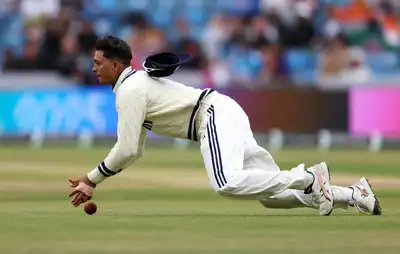 India's Fielding Failures Under Scrutiny After First Test Defeat to England: Former Selector критикует Dropped Catches